Dating After 60 in Chicagoland: How to Spot a Scam, and Where to Meet Real People
7 min readActive Chicagoland

Butterflies don't check your birth certificate.
Maybe you're divorced. Maybe you've lost a spouse. Maybe you just woke up one morning and thought, I'd like someone to share Sunday brunch with again.Whatever brought you here, wanting to meet someone later in life is completely normal, and you don't owe anyone an explanation.
Before we get to the fun part (where Chicagoland's single seniors really meet each other), we need to talk about the part nobody puts in the brochure. The numbers are serious.
💔 The $584 Million Problem
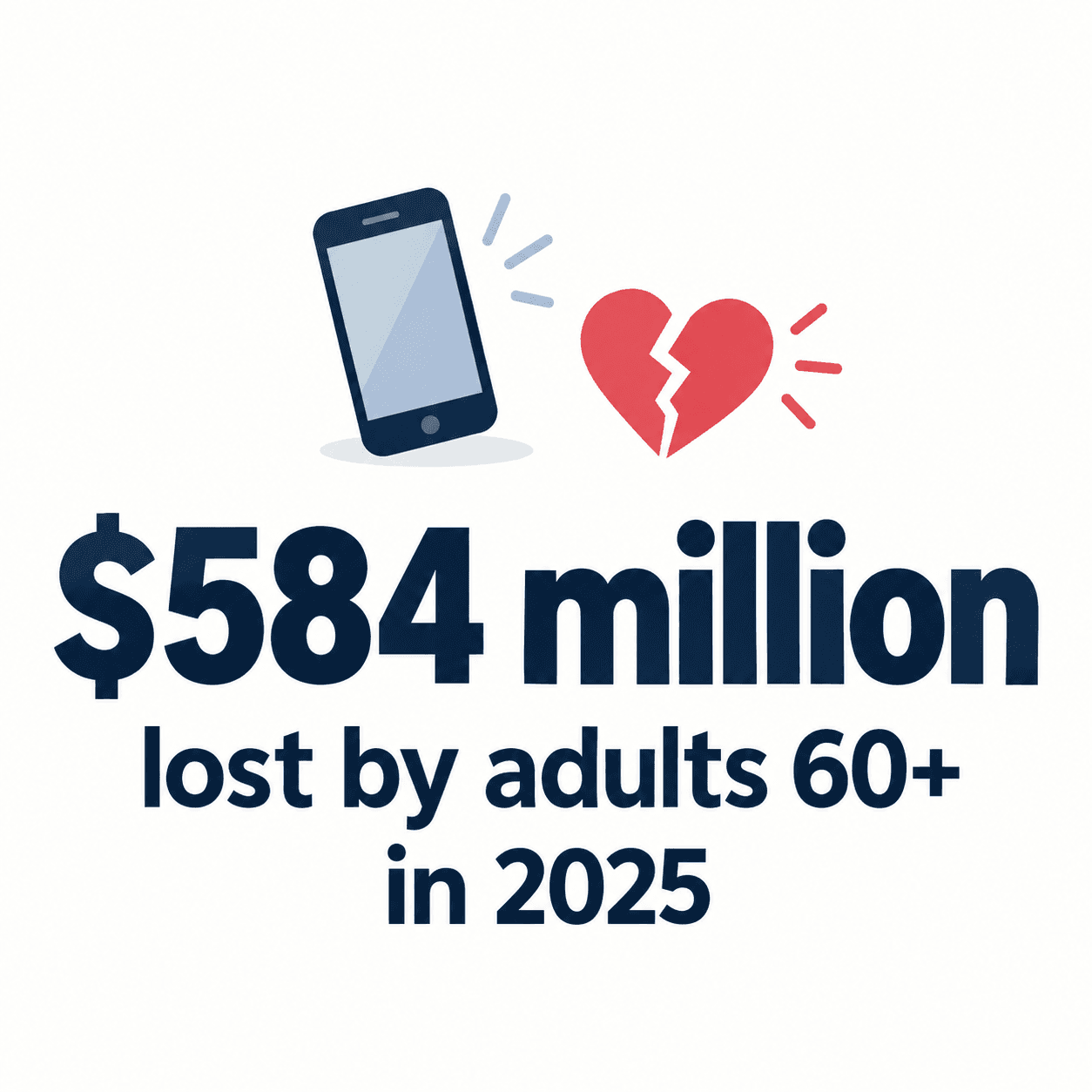
In 2025, Americans reported losing about $1.48 billion to romance scams.
People 60 and older lost $584 million of that. That's 63% of all the money lost, even though they filed only 44% of the complaints. In other words, when scammers get to an older adult, they take more.
A few more numbers worth remembering:
- The median loss for people aged 55 to 64 is about $9,000 per scam.
- Nearly 60% of these scams now start on ordinary social media like Facebook or Instagram, not dating sites.
- Adults aged 50 to 64 get fake romantic approaches at more than double the rate of people 65 and older.
That last one surprises people. This isn't only a risk for the very old or the very isolated. It's a risk for anyone past 50 who's online, which is most of us.
🚩 Red Flags: The Scammer's Playbook
AARP's fraud research found the same patterns again and again. If you see even two of these, slow down.
- "I've never felt this way before." They declare love within days, sometimes within hours.
- They're always far away. They're working on an oil rig, deployed overseas, or on business abroad, and there's always a reason they can't meet.
- The camera is always "broken." They refuse video calls or keep inventing new excuses.
- Their story and their English don't match. They say they're from Ohio, but the grammar says otherwise.
- "Let's keep this just between us." A request for secrecy is a red flag all by itself.
- Direct questions make them defensive or they change the subject.
- Then comes the crisis. A hospital bill, a legal problem, or a stranded relative, and only your money can fix it.
🛡️ Two Simple Habits That Protect You
1. Tell someone you trust.Fraud researchers keep pointing to this as the single best protection there is. A friend, a sister, or an adult child can see things you can't from inside the relationship. If someone tells you to keep them a secret, that's exactly when you should talk.
2. Run a reverse image search on their photo.It takes 30 seconds on Google Images or TinEye. If that handsome "widowed engineer" shows up under a different name somewhere else online, the photo is stolen, and so is the story.
The one rule with no exceptions
Never send money, gift cards, or cryptocurrency to someone you haven't met in person. It doesn't matter how real it feels or how urgent the story sounds. No exceptions.
🆘 If It's Already Happened
First, take a breath. You are not foolish. These are professional operations, patient and well-rehearsed, and built to get past smart, careful people. It happens to doctors, lawyers, and engineers every day.
Here's what to do, in order:
- Stop all contact right away. Don't reply, and don't explain.
- Save everything: messages, photos, and payment receipts. Don't delete them out of embarrassment. They're evidence.
- Call your bank or card company immediately. There's sometimes a short window to reverse a wire transfer or dispute a charge, and it closes fast.
Report it in two places:
- FBI Internet Crime Complaint Center: ic3.gov
- Illinois Attorney General Senior Citizens Consumer Fraud Helpline: 1-800-243-5377 or seniorhelpline@ilag.gov
❤️ Now the Good Part: Where Chicagoland Seniors Really Meet People
None of this means you should stay home. The best scam protection is also the most romantic one: meeting in person. Nobody can fake a face across a dinner table.
In-person groups also tend to build something more lasting than any profile: friendships first, and sometimes more.
🥂 Chicagoland Widows and Widowers
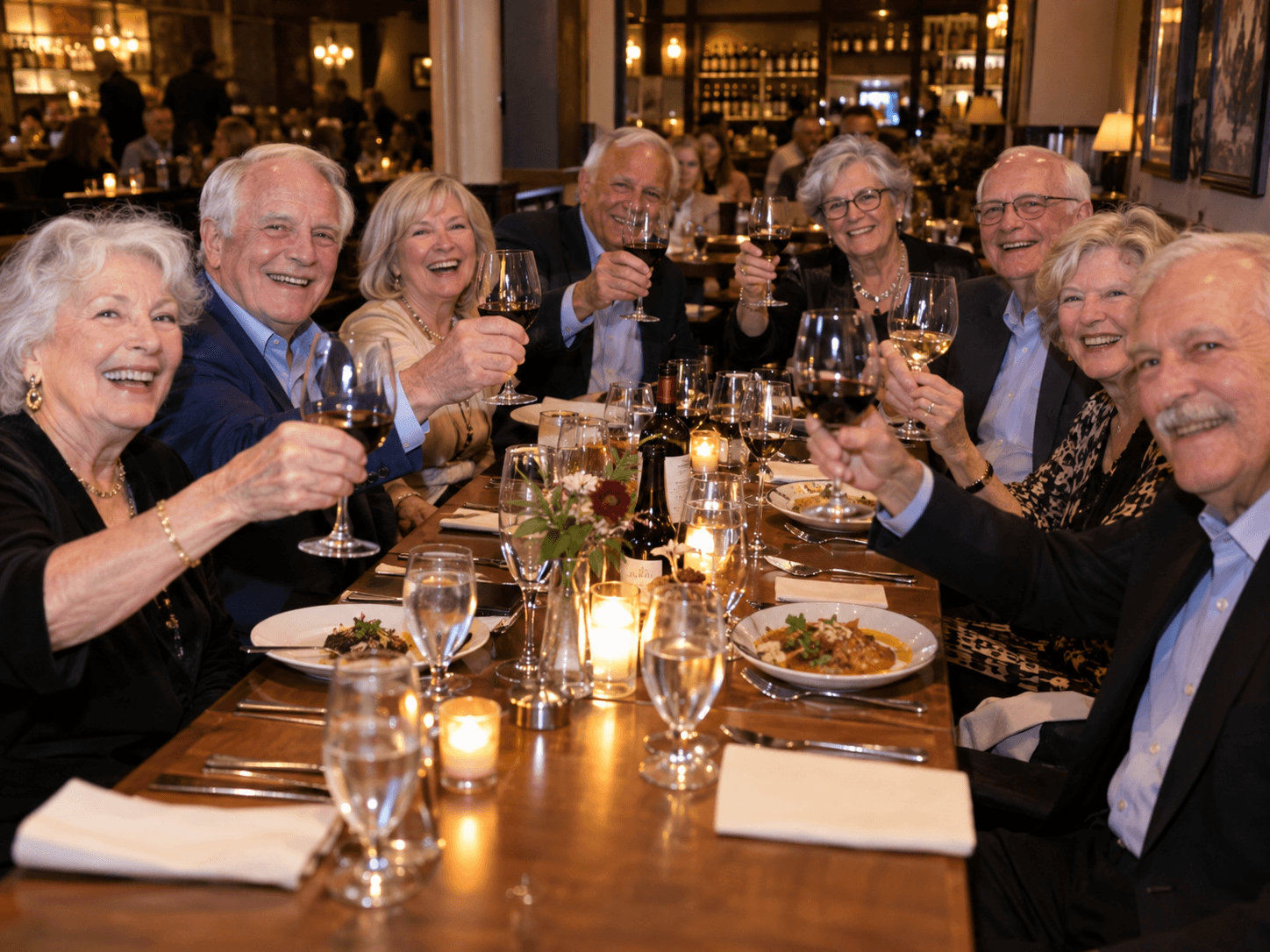
This community has a full calendar: coffee meetups, wine tastings, dinners, comedy shows, and park outings. It has 491 members and a 4.8-star rating (as of September 2026). Good to know: membership is only for widows and widowers. You'll be asked for something like an obituary or death certificate before you're approved. It sounds strict, but it's also why members trust each other.
Source →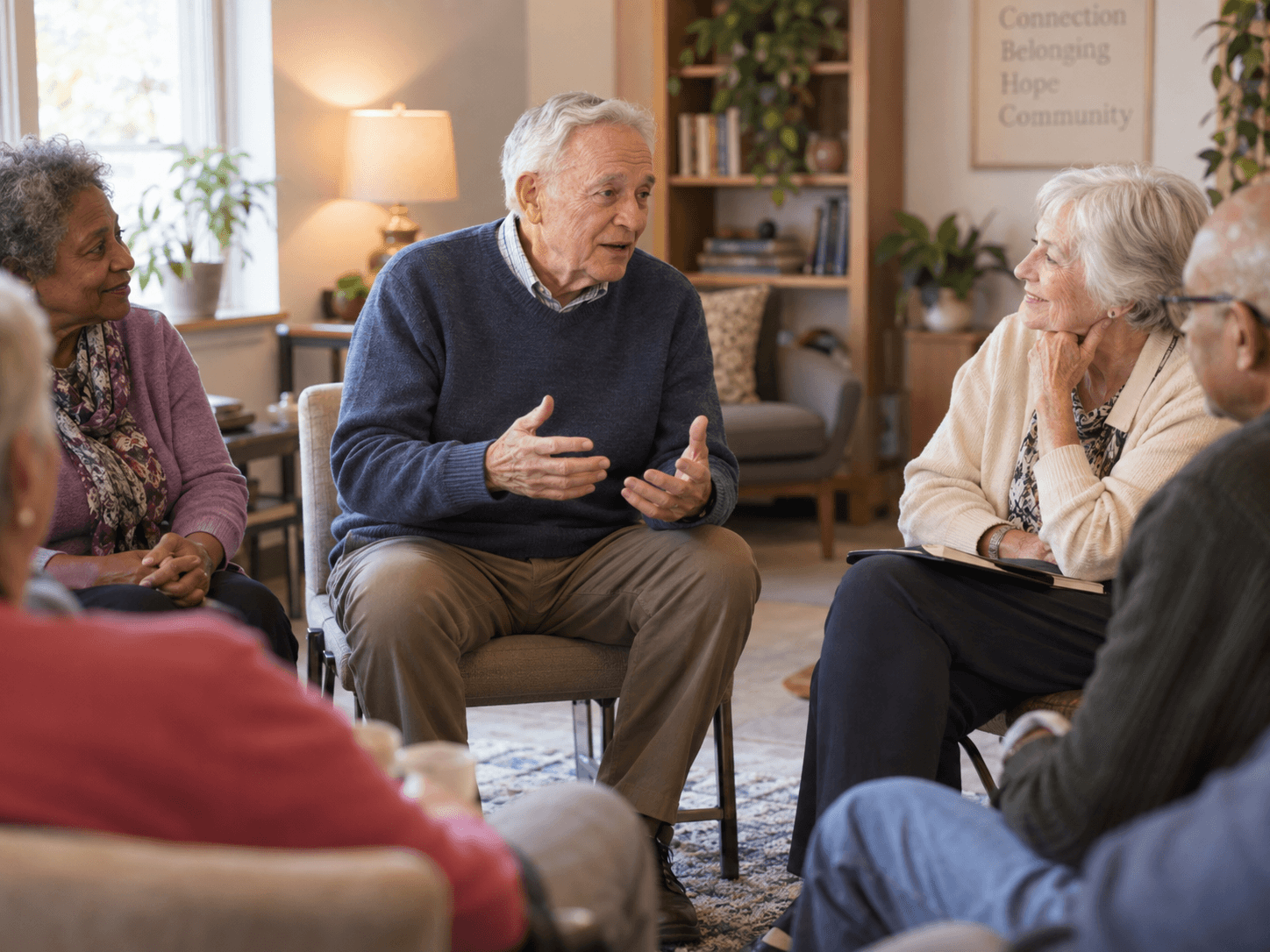
🕊️ Widowed Support Group, Park Ridge
This is an ongoing support group (registration required) for anyone who has lost a spouse or partner. It's less a social club and more a steady place to work through loss with people who truly understand. Often, that's the honest first step before anyone is ready to date again. There's no rush.
Source →
✨ Single Black Seniors Network
This Chicago social group organizes regular in-person events for a $50 yearly membership. It's a membership club, not a drop-in, so call ahead at 773-405-9020 for the current schedule.
Source →
🧵 Stitch
Stitch is a national platform built specifically for older adults to find friendship, activity partners, and yes, romance. There's no swiping. It has an active community in Chicago. Why it's worth knowing: it was designed around this age group from the start, not retrofitted from an app built for 25-year-olds.
Source →☕ The Secret Nobody Tells You
Here's the least glamorous and most reliable dating advice there is:
Show up in the same place twice.
A weekly card game. A walking club. A library coffee hour. Every ordinary thing in our directory puts you in a room with the same people, week after week, and that's how most real connections start.
You don't need a dating profile to meet someone. You need a reason to come back on Tuesday.